
The word mindfulness is everywhere: in apps, workplaces, schools and magazines. But if you asked ten people what is mindfulness, you might get ten different answers. Here is a simple, practical way to understand it.
A simple definition
Mindfulness means paying attention to what is happening right now, on purpose, with an attitude of curiosity and kindness.
Jon Kabat-Zinn, who developed the Mindfulness-Based Stress Reduction (MBSR) programme in 1979, described it as paying attention in a particular way: on purpose, in the present moment, and non-judgementally. At we-mindful, we like to think of it as a pause, like the comma in our name: a moment to notice before carrying on.
Three parts of mindfulness
- Attention: noticing what is here, such as your breath, body, surroundings or thoughts.
- The present moment: this moment, rather than replaying the past or rehearsing the future.
- Attitude: meeting what you notice with curiosity and kindness, rather than harsh judgement.
Mindfulness vs meditation
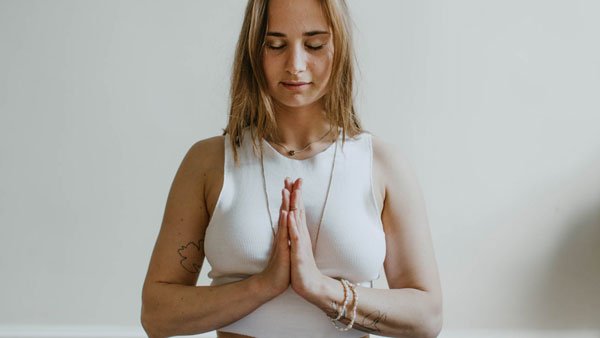
Meditation is a formal practice: setting aside time to train attention, for example by focusing on the breath. Mindfulness is the quality of attention itself, which you can bring to anything: washing dishes, listening to a friend, walking to work. Meditation is like going to the gym; mindfulness is how you carry yourself the rest of the day.
Everyday examples
- Noticing the taste of your first sip of coffee. See mindful eating.
- Feeling your feet on the ground as you walk. See mindful walking.
- Catching yourself about to send an angry email, and pausing.
- Giving a friend your full attention. See mindful listening.
What mindfulness is not
It is not emptying your mind, forcing yourself to feel calm, or a religious requirement. It is not a replacement for professional care. We cover more in mindfulness myths.
How to start
Start with one small practice a day: three mindful breaths before opening your laptop, or five minutes of beginner meditation. Explore our practices page for more ideas.
Take a mindful pause with us
Get new practices and session dates by email, or explore more short practices you can try today. For a regular mindful pause in your feed, follow we-mindful on LinkedIn and YouTube.
This article is for general wellbeing and education, not medical or psychological advice. See our wellbeing disclaimer.